International Conference: From Emergency to Ecosystem
Designing Belonging for Learners from Crisis Contexts
Date: 20 March 2026
Location: University of Lisbon
Conference Report

1. Executive Summary
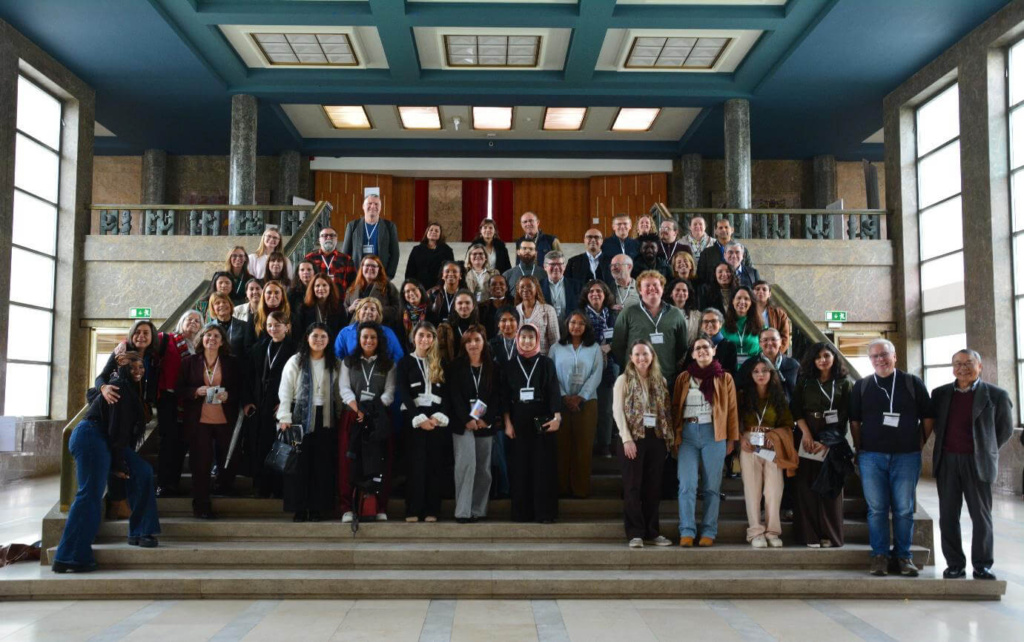
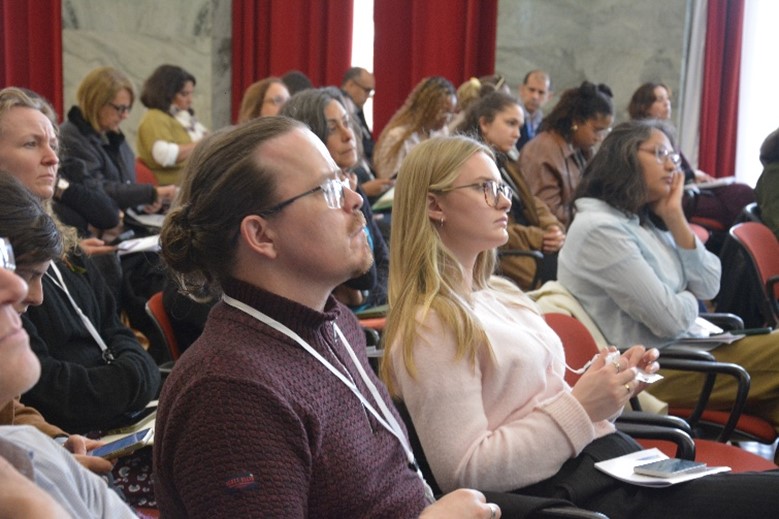
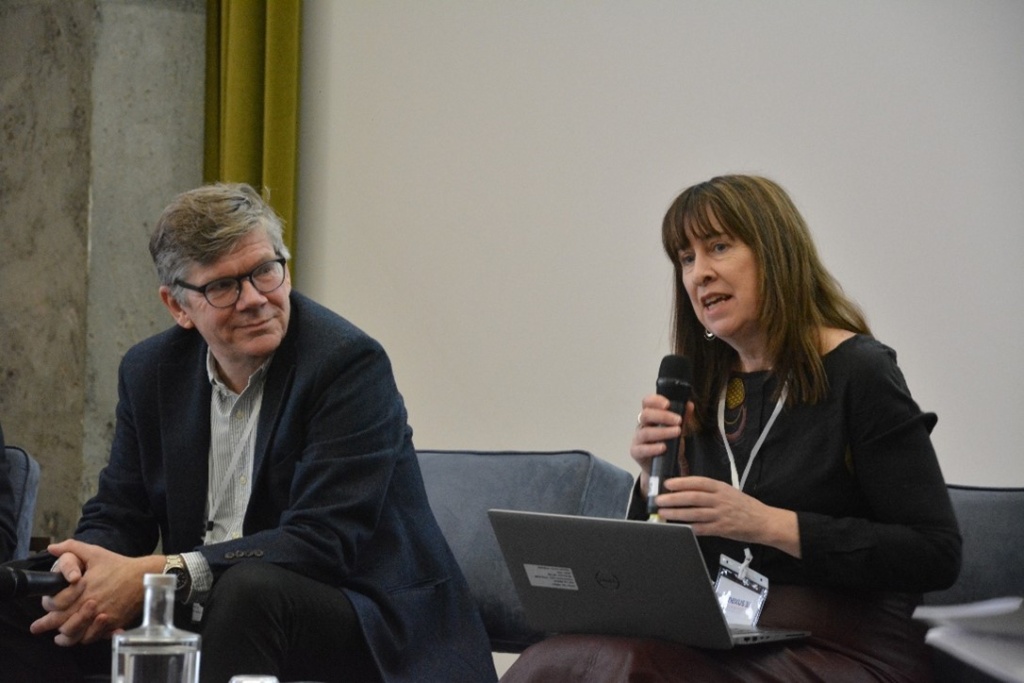
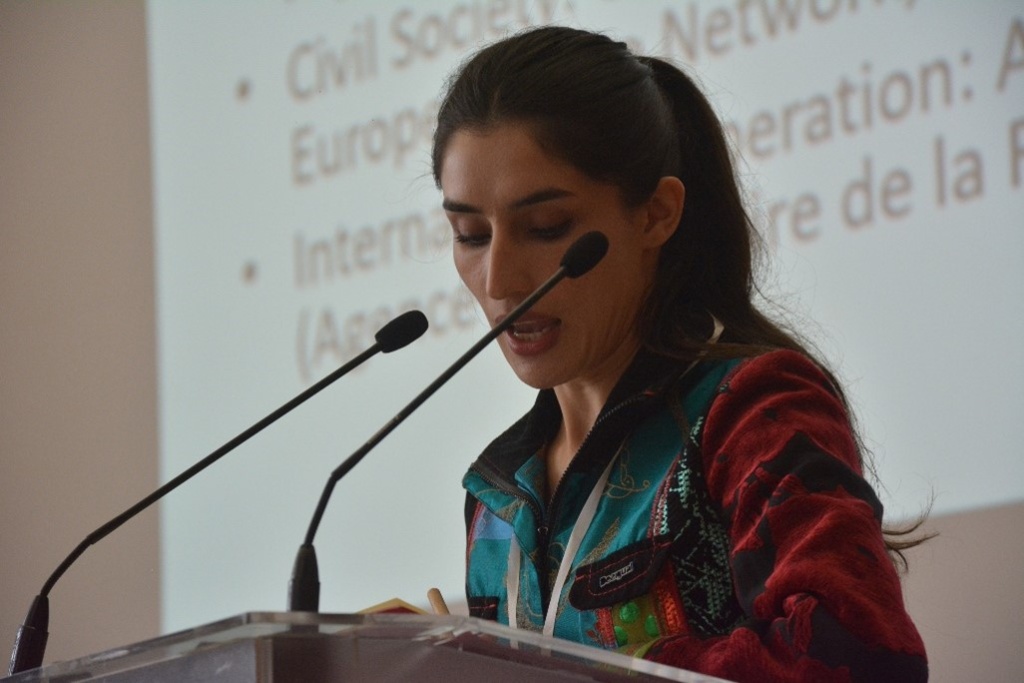
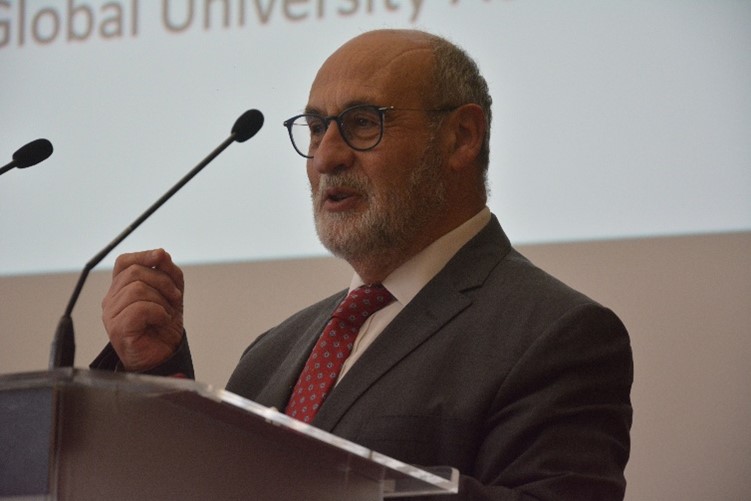
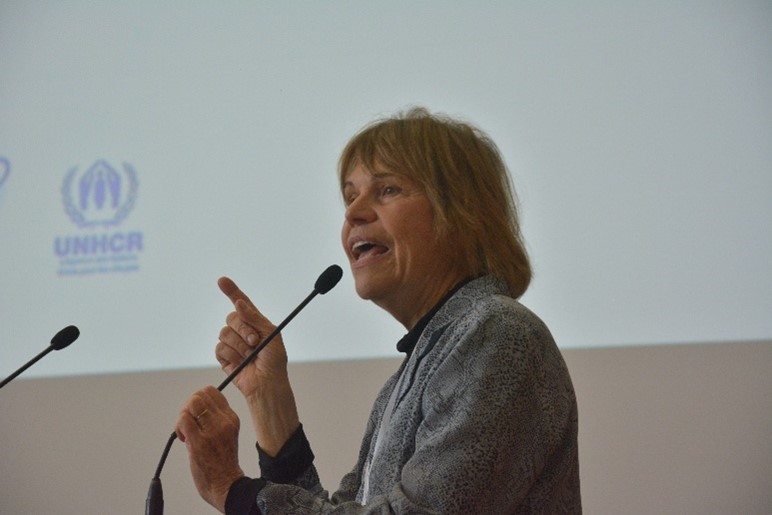
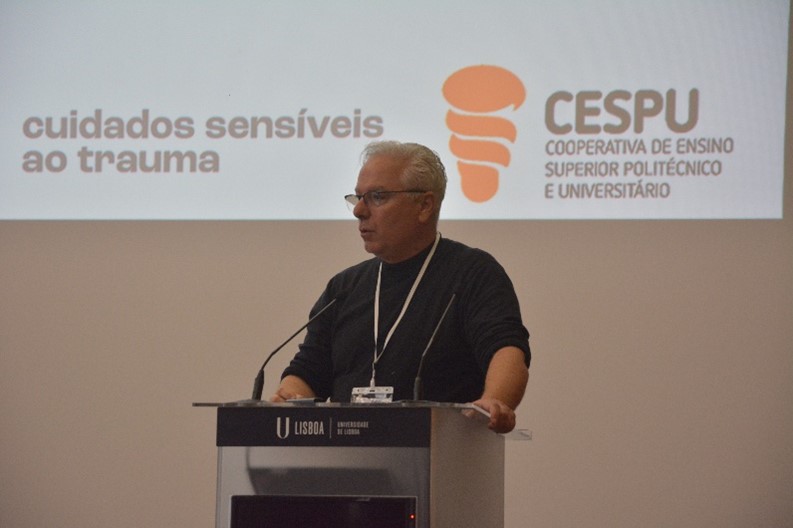
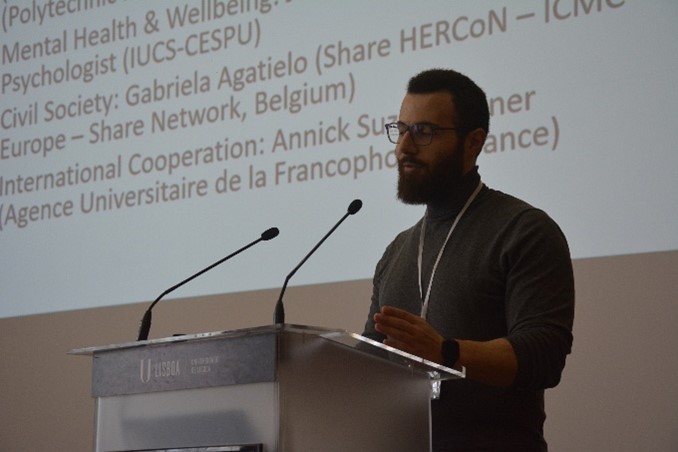
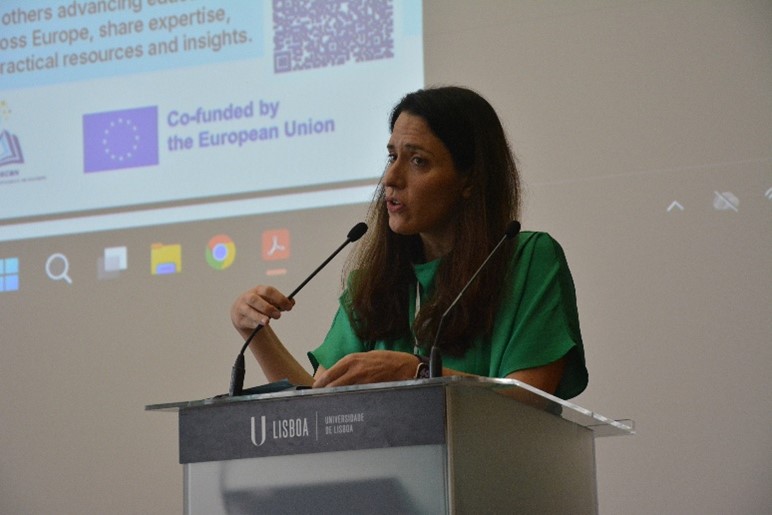
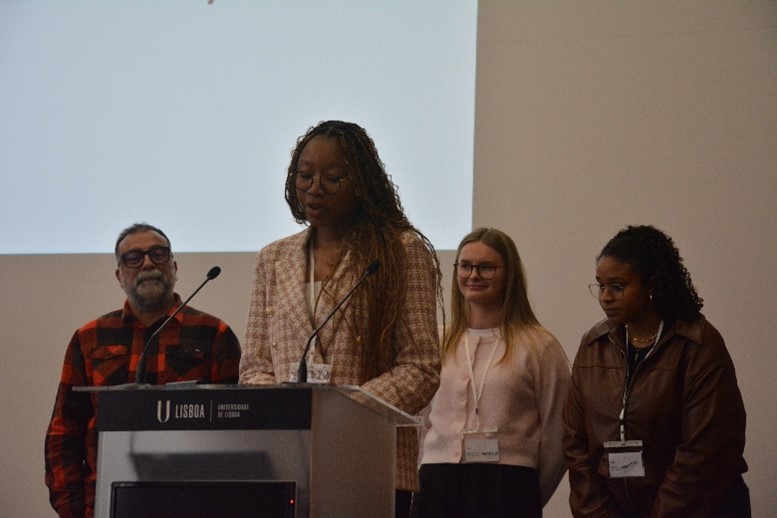
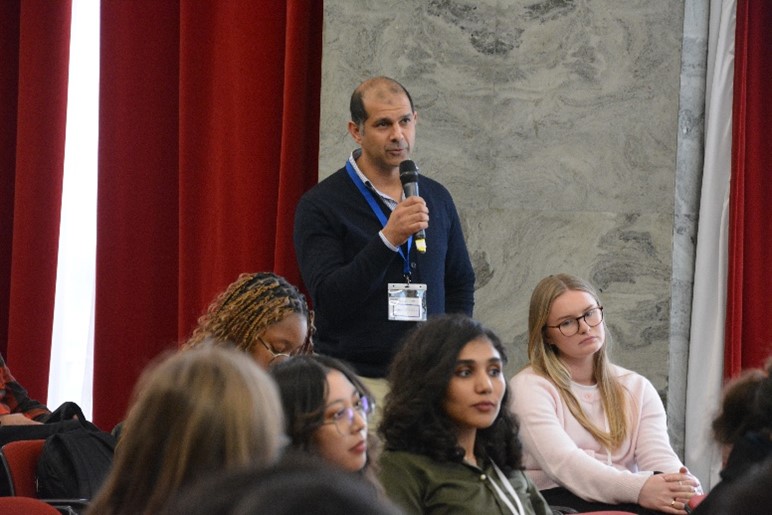
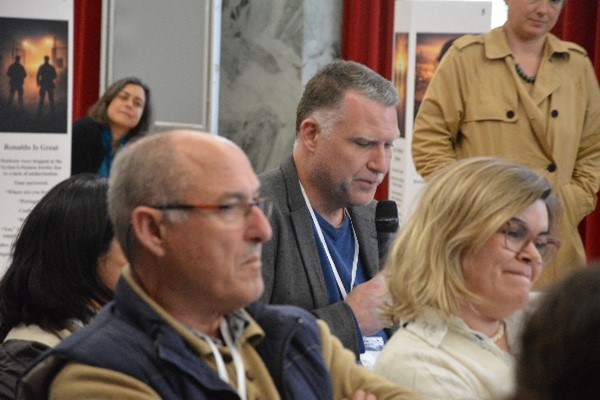
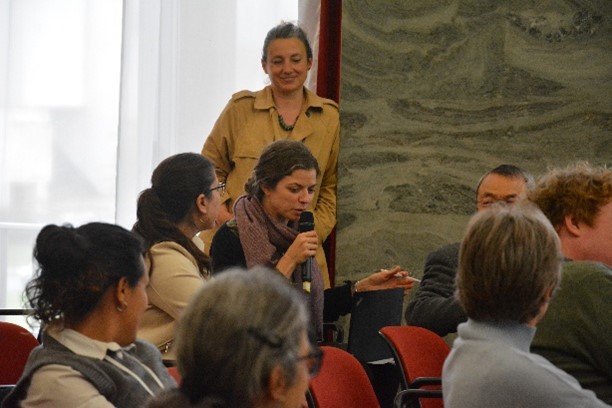
The conference brought together over 90 participants from higher education institutions, policymakers, civil society, students, and international partners to address a central challenge: how to move beyond access and build higher education systems where learners from crisis contexts can truly belong, succeed, and contribute.
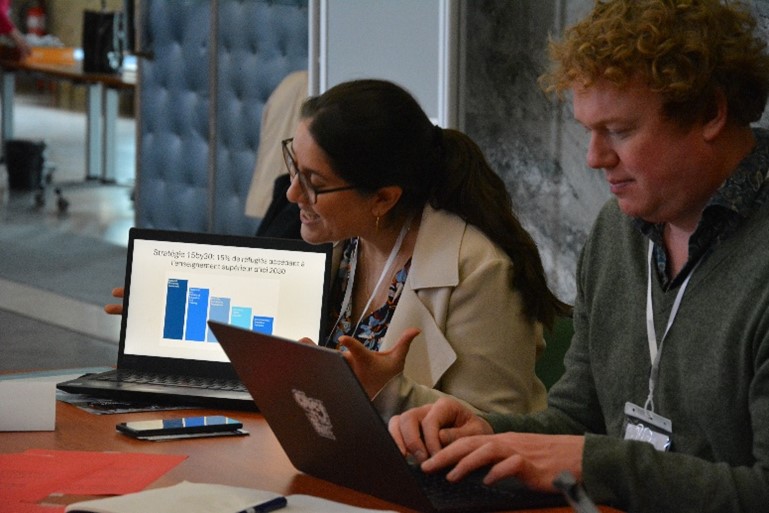
While progress has been made in expanding access to higher education, refugee enrolment remains at approximately 7% globally, far below the 15by30 UNHCR target. The conference highlighted a key insight:
Access is necessary, but not sufficient. Students face persistent barriers after admission—academic, social, financial, and psychological—revealing the need to move from fragmented interventions to coordinated ecosystems of support. True success requires systems that foster belonging, integration, and long-term opportunity.
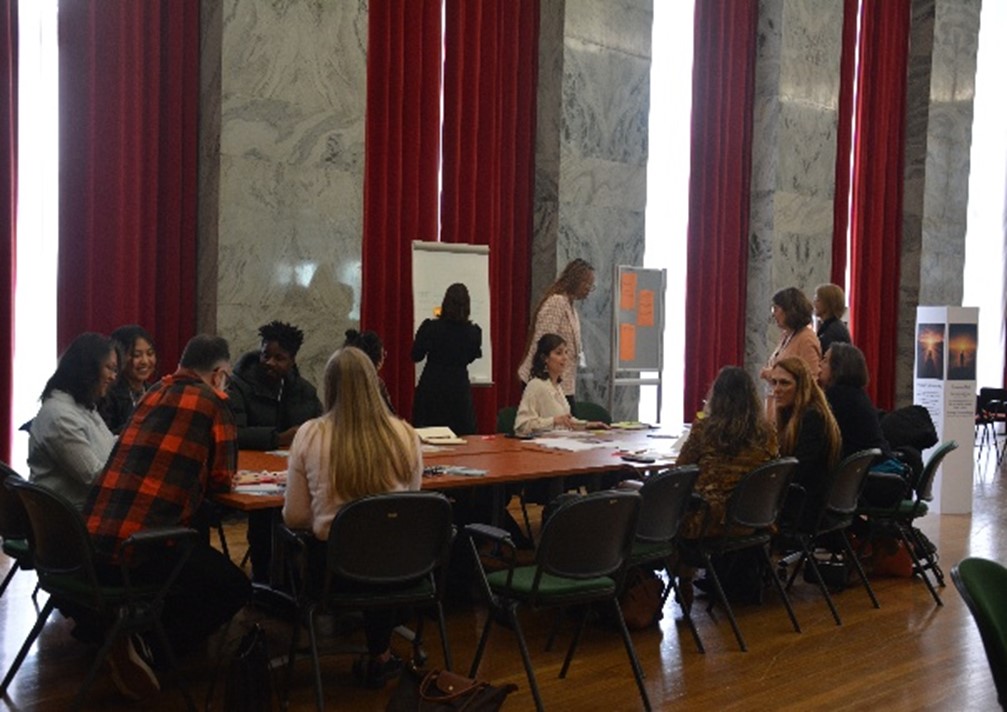
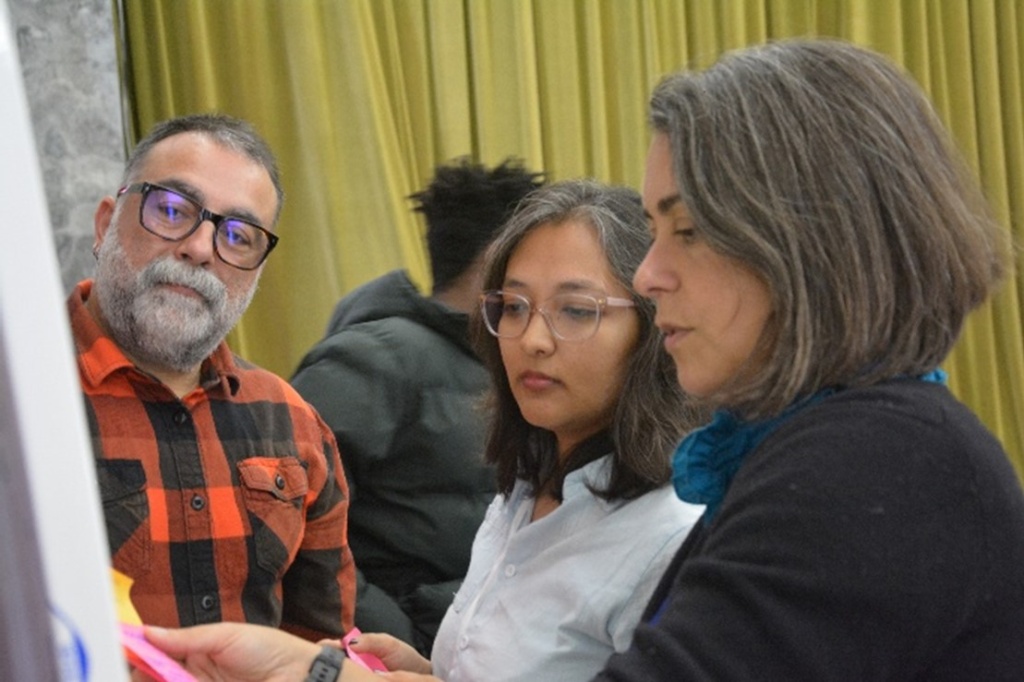
Through keynote reflections, panel discussions, and six design labs, the conference generated a shared vision and a set of practical pathways for transforming higher education systems.
This Conference was organized by Nexus 3.0 with the support of the University of Lisbon. It was co-funded by the European Union, as part of the ERASMUS Share HERCoN project, which is dedicated to creating sustainable pathways for refugees to access higher education (HE) across the European Union.
2. Context and Rationale
Despite progress in scholarships and access initiatives, support systems remain fragmented and difficult to scale. Learners from crisis contexts continue to face:
- Language barriers
- Challenges in recognition of prior learning
- Mental health and well-being needs
- Financial instability
- Limited access to professional networks and employment
These challenges highlight a systemic gap: student success depends not only on access, but on sustained academic recognition, social inclusion, and future opportunity.
3. Objectives of the Conference
The conference aimed to:
- Shift the focus from individual programmes to systemic ecosystem approaches
- Explore how to design belonging within higher education
- Develop practical, scalable solutions through collaborative design labs
- Strengthen alignment with the 15by30 goal for refugee access to higher education
4. Key Shifts for System Transformation
The conference identified three essential shifts for rethinking higher education systems:
- From Problem to Potential
Students from crisis contexts bring resilience, adaptability, and valuable perspectives. Institutions must move beyond deficit-based narratives. - From Past-Oriented Systems to Future Pathways
Recognition of prior learning remains important, but systems must also enable forward-looking educational and professional trajectories. - From Integration to Belonging
Inclusion is not about adaptation to existing systems alone, but about institutional transformation that enables participation, recognition, and agency.
5. From Programmes to Ecosystems
A central theme was the need to shift from fragmented initiatives to integrated systems. Current support structures often operate in isolation, requiring students to navigate complex and disconnected pathways.
An ecosystem approach connects:
- Flexible admissions and recognition systems
- Academic and language support
- Wellbeing and mental health services
- Education-to-employment pathways
- Sustainable financing mechanisms
- Cross-sector partnerships
Effective ecosystems are student-centred, coordinated, and designed for long-term impact.
6. Design Labs: Key Outcomes
Six design labs translated this vision into practical solutions.
- Inclusive Admissions & Recognition
- Alternative credential recognition (competency-based approaches)
- Bridging and preparatory programmes
- Digital credential portfolios
- Belonging & Participation
- Peer mentorship programmes
- Student-led belonging councils
- Intercultural campus initiatives
- Well-being Across the Student Journey
- Integrated wellbeing hubs combining digital and physical support
- Staff training and coordinated services
- Mentorship and onboarding systems
- From Learning to Employment
- University–employer mentorship programmes
- Inclusive recruitment training
- Experiential learning opportunities
- Financing & Sustainability
- Micro-contribution funding models
- Blended financing systems (public, private, philanthropic)
- Transparency tools to track impact
- Scaling Toward 15by30
- Expansion of flexible learning pathways
- Alternative certification systems
- Strengthened international partnerships
7. Cross-Cutting Insights
Across all labs, a shared conclusion emerged:
- The challenge is not a lack of initiatives, but a lack of integration
- Solutions must be designed as interconnected systems
- Students must be co-creators, not only beneficiaries
- Collaboration across sectors is essential
A guiding principle emerged: listen, connect, and then build.
8. Extending the Conversation: Nexus 3.0 Contributions
Alongside the conceptual framing offered in the opening reflections, Nexus 3.0 contributed concrete inputs that grounded the discussion in practice and lived experience.
These contributions helped illustrate how the shift from emergency responses to ecosystems is already being explored through real initiatives and knowledge-sharing tools.
1. From Practice to Reflection: The Galp Scholarship Booklet
Nexus 3.0 presented a booklet on the Galp scholarship programme for students from Ukraine, developed as a practical case study of education-based complementary pathways.
This contribution:
- documents lessons learned from implementation in Portugal
- highlights the importance of combining access with structured support systems
- provides a reference framework for institutions seeking to design more coherent pathways
Importantly, the booklet aligns with the broader conference message that:
scholarships alone are not sufficient—they must be embedded within wider ecosystems of belonging and support.
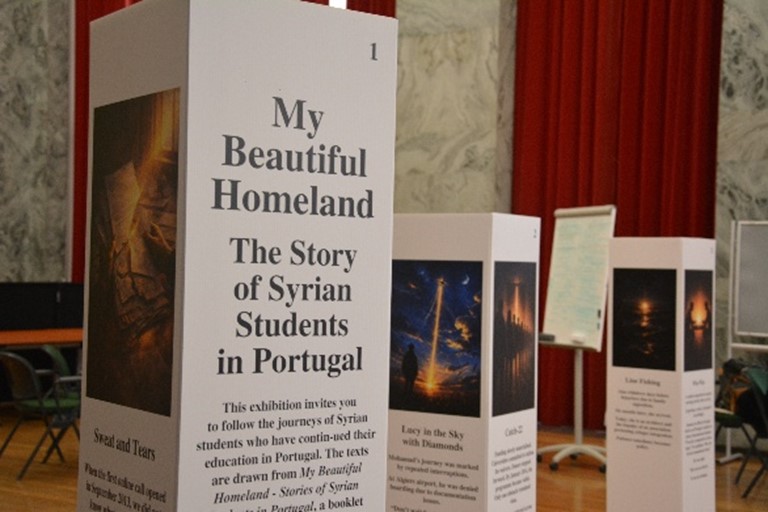
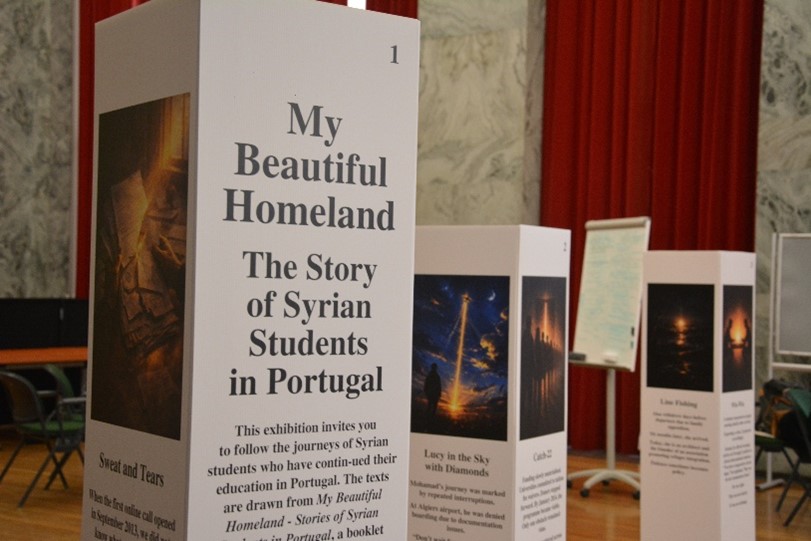
2. Making Belonging Visible: Exhibition on the Syrian Student Programme
The conference also featured an exhibition on the programme supporting Syrian students, offering a visual and narrative dimension to the discussion.
This exhibition:
- showcased student journeys and lived experiences
- highlighted both opportunities and barriers encountered along the educational pathway
- reinforced the idea that belonging is shaped not only by policies, but by real human trajectories
By bringing these experiences into the conference space, the exhibition helped shift the conversation:
- from abstract policy discussions
- to tangible, human-centred understanding of belonging
9. Conclusion
The Lisbon Conference marked a significant step in reframing higher education responses to global displacement.
It demonstrated that:
- expanding access is not enough
- isolated programmes cannot scale
- meaningful change requires systemic transformation
The transition from emergency to ecosystem is both a conceptual shift and a practical challenge.
It calls for:
- new ways of thinking
- new forms of collaboration
- and sustained commitment to building inclusive systems
Belonging does not happen by chance. It must be designed, built, and sustained.
10. What’s next?
To move from ideas to impact, participants identified key priorities:
- Develop and test pilot initiatives locally
- Strengthen partnerships across institutions and sectors
- Build mechanisms to coordinate and scale solutions
- Secure sustainable and diversified funding
- Track progress toward the 15by30 goal
This transition requires sustained commitment, leadership, and system-level thinking.
The proposal, made by the representative of the Yaran Foundation, for a follow-up meeting to be held in the Basque Country, Spain, in 2027, opens a promising shared pathway that offers participants the opportunity to design the Road to Bilbao 2027. This way, Lisbon and Bilbao will not be standalone events, but milestones for consolidatinglearning, showcasing progress, and advancing coordinated action. All materials prepared for the Lisbon labs and their own outputs and recommendations can be used to frame the road to Bilbao.